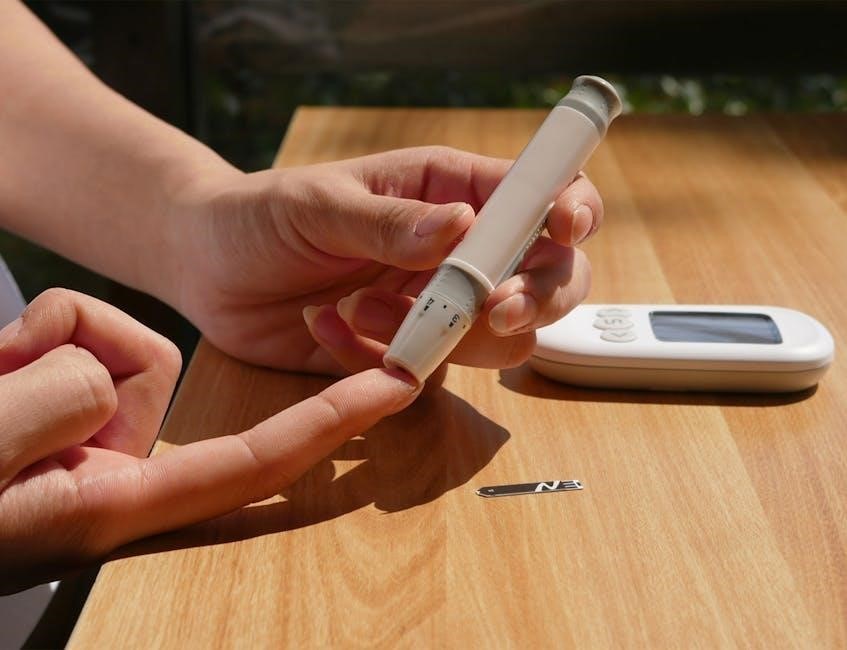
Freestyle Lite‚ a product of Abbott‚ offers a streamlined approach to blood glucose monitoring. This meter‚ popular in 2025 and 2026‚ provides
accurate readings with a small sample size‚ catering to individuals managing diabetes effectively. NVIDIA Freestyle‚ a game filter‚ is unrelated to this medical device.
What is the Freestyle Lite?
The Freestyle Lite glucose meter is a compact and user-friendly device designed for individuals with diabetes to monitor their blood sugar levels at home. Unlike gaming filters like NVIDIA Freestyle‚ this is a crucial medical tool. It requires a small blood sample – just 0.6 microliters – making testing less painful. The meter displays results in clear‚ easy-to-read numbers‚ and stores up to 250 test results with date and time‚ allowing for tracking trends.
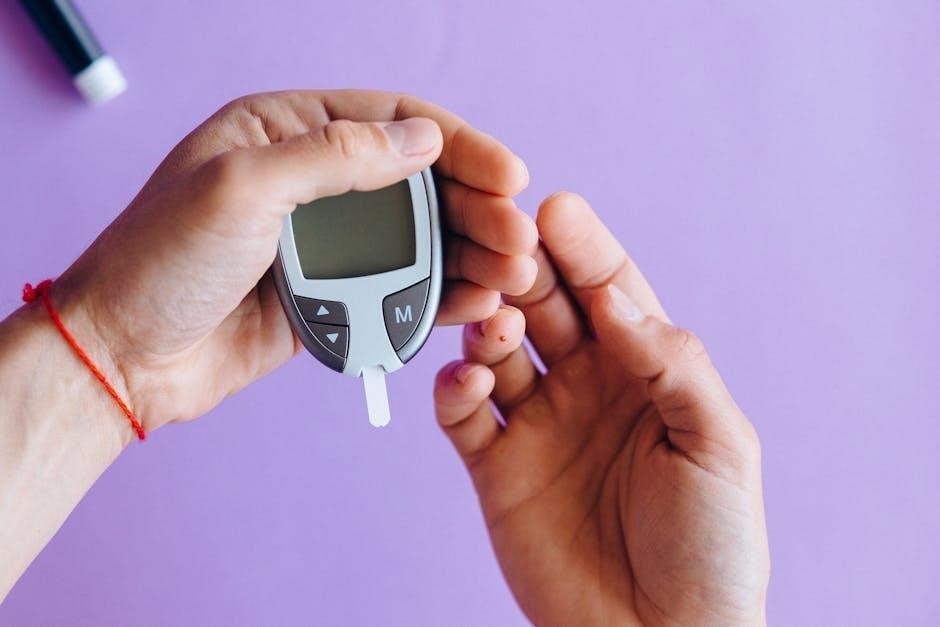
Developed by Abbott‚ the Freestyle Lite aims for simplicity and accuracy. It’s often recommended for those new to self-monitoring‚ offering a straightforward testing experience. While online resources detail various “Freestyle” games and sports like Free Style basketball‚ this device focuses solely on health management. It’s a vital component in a comprehensive diabetes care plan.
Key Features and Benefits
The Freestyle Lite boasts several key features enhancing user experience. Its small 0.6µL blood sample requirement minimizes discomfort during testing. The meter’s large‚ clear display ensures easy readability of glucose results‚ and its 250-result memory with date/time stamps facilitates effective tracking; Unlike online games labeled “Free Style” or NVIDIA Freestyle filters‚ this device is medically focused.
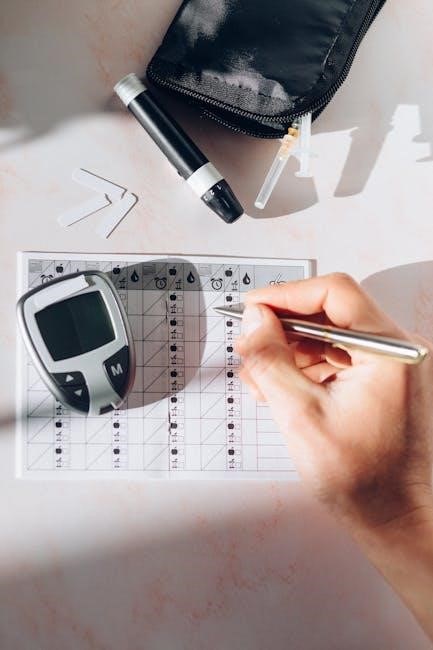
Benefits include convenient testing at any time‚ anywhere‚ empowering proactive diabetes management. The meter’s simplicity makes it ideal for beginners‚ while its accuracy provides reliable data for informed decisions. It supports personalized diabetes care‚ helping users understand how diet‚ exercise‚ and medication impact their glucose levels. Regular monitoring with the Freestyle Lite contributes to better overall health outcomes.
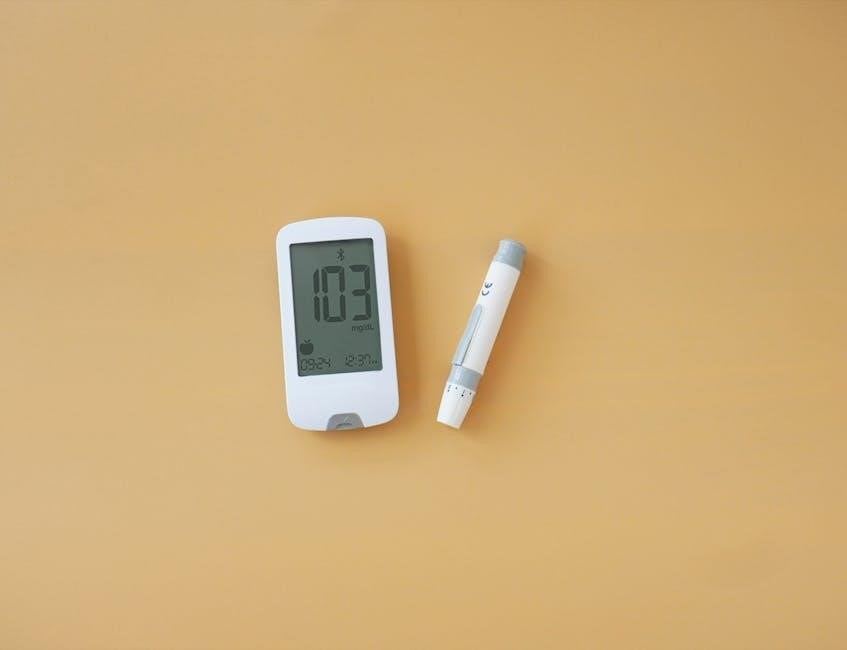
Setting Up Your Freestyle Lite Meter
Initial setup involves inserting batteries‚ and familiarizing yourself with the meter’s buttons and display. Proper configuration ensures accurate readings‚ unlike gaming “Free Style” setups.
Inserting the Test Strip
To insert a test strip into your Freestyle Lite meter‚ locate the test strip port‚ typically on the front or side of the device. Ensure your hands are clean and dry before handling the strips. Gently slide the test strip into the port‚ ensuring the gold contact strip is fully inserted – the meter should recognize the strip automatically‚ displaying a ready symbol.
Incorrect insertion can lead to error messages‚ so double-check the orientation. Do not force the strip; if it doesn’t slide in easily‚ verify you’re using a compatible Freestyle Lite test strip. Expired or damaged strips will also cause errors. Remember‚ the meter is designed for specific strips‚ unlike filters for games like “Free Style”. Proper insertion is crucial for accurate glucose readings.
Turning the Meter On and Off
To turn on your Freestyle Lite glucose meter‚ typically no button press is required; inserting a test strip automatically activates the device. The screen will illuminate‚ displaying system checks and readiness indicators. If the meter doesn’t power on with strip insertion‚ consult the troubleshooting section.
To turn off the meter‚ it usually powers down automatically after a period of inactivity (around 2 minutes) to conserve battery life. There isn’t a dedicated ‘off’ button. Ensure the meter is dry before storage. Unlike online games like “Free Style” requiring manual shutdown‚ the Freestyle Lite prioritizes user convenience with its auto-off feature. Proper power management extends battery longevity.
Setting the Date and Time
Accurate date and time settings are crucial for proper data logging and tracking of your glucose readings. The Freestyle Lite typically requires manual setting upon initial use. Access the date/time setting by pressing and holding the ‘Set’ button (refer to your meter’s specific button layout).
Navigate through the year‚ month‚ day‚ hour‚ and minute using the side buttons. Confirm each selection by pressing the ‘Set’ button again. The meter displays the current setting‚ allowing for precise adjustments. Remember the current date is 01/25/2026. Unlike online games like “Free Style” with server-side time‚ the Freestyle Lite relies on user input for accurate timekeeping. Save the settings to finalize the process.

Performing a Glucose Test
Testing with Freestyle Lite involves a simple‚ four-step process: preparation‚ obtaining a sample‚ applying blood‚ and reading results—ensuring accurate glucose monitoring for effective diabetes management.
Preparing for the Test
Before initiating a glucose test with your Freestyle Lite meter‚ thorough preparation is crucial for accurate results. Begin by gathering all necessary supplies: the meter itself‚ a test strip‚ a lancing device‚ and lancets. Ensure your hands are clean and dry – washing with soap and warm water is recommended‚ followed by complete drying.
Insert a fresh lancet into the lancing device‚ adjusting the depth setting to suit your skin type. A shallower setting is generally preferable initially‚ increasing if insufficient blood is obtained. Have a clean gauze pad or cotton ball readily available to stop the bleeding after the finger prick. Confirm the test strip is compatible and within its expiration date for reliable performance. Proper preparation minimizes errors and ensures a comfortable testing experience.
Obtaining a Blood Sample
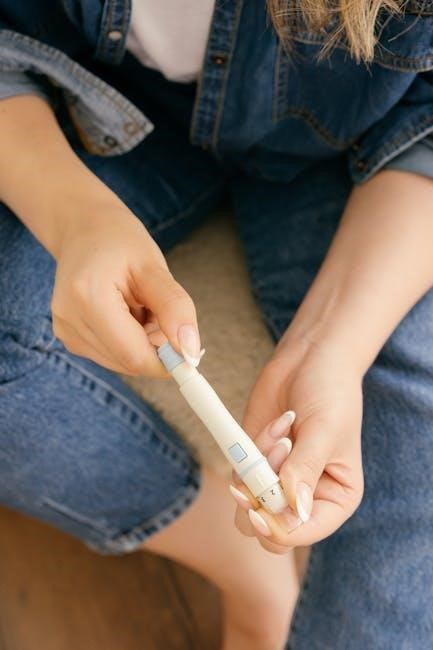
To obtain a sufficient blood sample for your Freestyle Lite glucose test‚ select a fingertip – the sides are generally less sensitive. Avoid using the same finger repeatedly. Activate the lancing device and gently prick the chosen fingertip. Do not squeeze the finger excessively‚ as this can dilute the sample with tissue fluid‚ leading to inaccurate readings.
Instead‚ gently massage the finger towards the puncture site to encourage a small‚ round drop of blood to form. A drop approximately the size of a sesame seed is typically sufficient. Wipe away the first drop of blood with a clean gauze pad‚ as it may contain tissue fluid. Ensure the blood drop is hanging freely‚ ready to be applied to the test strip. Avoid smearing or forcing the blood onto the strip.
Applying Blood to the Test Strip
With the meter turned on and ready‚ gently touch the edge of the blood drop to the designated sample area on the Freestyle Lite test strip. Do not smear the blood; allow the strip to draw the blood in automatically through capillary action. The meter will typically beep or display a symbol to indicate that sufficient blood has been applied.
Ensure the sample area is fully covered with blood. If the sample is insufficient‚ the meter may display an error message‚ and you’ll need to repeat the process with a new test strip. Avoid applying blood to the top or bottom of the strip‚ only the designated sample area. Do not touch the sample area after applying the blood.
Reading Your Glucose Result
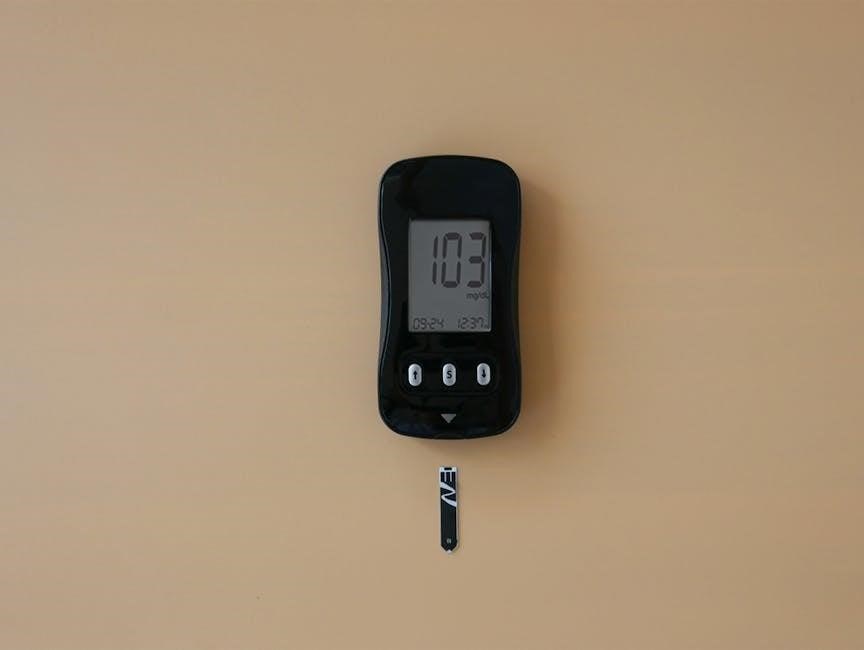
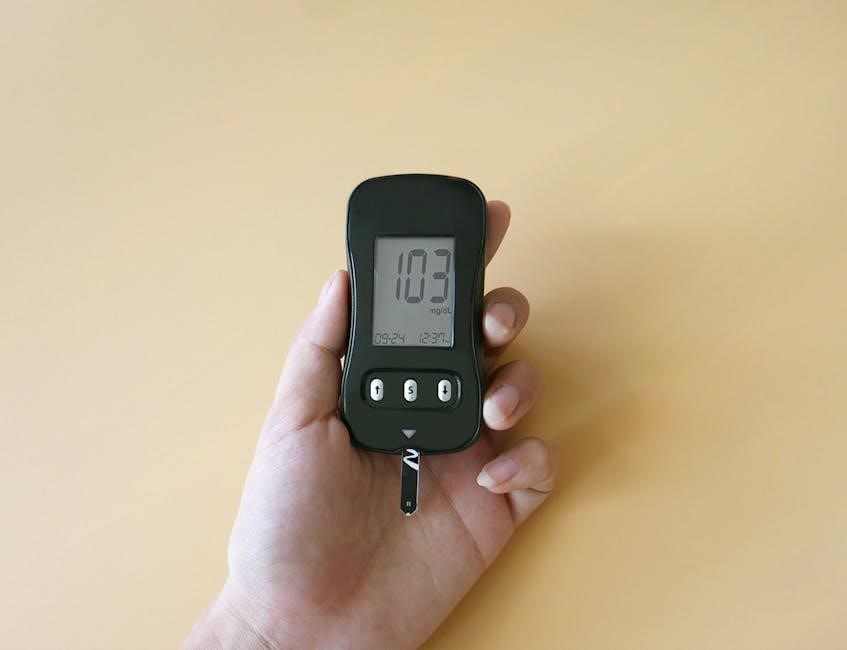
After applying the blood‚ the Freestyle Lite meter will begin analyzing the sample‚ displaying a countdown timer during the process. Within a few seconds‚ your blood glucose result will appear on the screen‚ expressed in milligrams per deciliter (mg/dL). The meter automatically stores previous readings‚ allowing you to review your glucose history.
Pay attention to any flags or symbols displayed alongside the result‚ as these may indicate potential issues like insufficient sample or interference. Regularly check the meter’s display for clarity and ensure proper lighting for easy readability. Remember to record your results in a logbook or utilize a compatible mobile app for tracking.
Understanding Your Results
Interpreting glucose readings is crucial for diabetes management; consistently high or low values require attention and potential adjustments to your treatment plan.
Target Glucose Ranges
Establishing personalized target ranges is a cornerstone of effective diabetes management with the Freestyle Lite. Generally‚ for most individuals before meals‚ a target range of 80-130 mg/dL is recommended. After meals (1-2 hours post-meal)‚ the goal is typically less than 180 mg/dL.
However‚ these ranges are not universal. Your healthcare provider will determine your ideal targets based on factors like age‚ overall health‚ diabetes type‚ and potential complications. It’s vital to discuss these individualized goals during your regular check-ups. Maintaining glucose levels within these ranges helps minimize long-term health risks associated with both hyperglycemia (high blood sugar) and hypoglycemia (low blood sugar). Consistent monitoring with the Freestyle Lite empowers you to proactively manage your health.
High and Low Glucose Readings
Understanding high and low glucose readings is crucial when using the Freestyle Lite. A reading consistently above 200 mg/dL generally indicates hyperglycemia‚ potentially stemming from diet‚ inactivity‚ or illness. Symptoms may include increased thirst‚ frequent urination‚ and blurred vision. Conversely‚ a reading below 70 mg/dL signifies hypoglycemia‚ often caused by excessive insulin‚ skipped meals‚ or strenuous exercise.
Hypoglycemia symptoms can range from shakiness and sweating to confusion and‚ in severe cases‚ loss of consciousness. Immediate action is required – consume 15-20 grams of fast-acting carbohydrates (like glucose tablets or juice) and retest after 15 minutes. Always consult your healthcare provider to adjust your treatment plan based on recurring high or low readings.
Factors Affecting Glucose Levels
Several factors beyond immediate food intake influence glucose readings with the Freestyle Lite. Diet plays a significant role; carbohydrate content and timing impact blood sugar. Physical activity increases insulin sensitivity‚ potentially lowering glucose levels‚ while inactivity can elevate them. Stress and illness trigger hormonal changes that raise blood sugar.
Medication‚ including insulin and oral diabetes drugs‚ directly affects glucose control. Hydration levels can also influence readings – dehydration may concentrate glucose. Even temperature and altitude can have minor effects. Consistent monitoring with the Freestyle Lite‚ coupled with awareness of these factors‚ empowers informed diabetes management. Remember to discuss any unusual patterns with your healthcare provider.
Meter Maintenance and Care
Regular cleaning with a damp cloth ensures accurate readings. Store the Freestyle Lite and test strips in a cool‚ dry place‚ away from extreme temperatures and direct sunlight.
Cleaning the Meter
Maintaining cleanliness is crucial for accurate glucose readings with your Freestyle Lite meter. After each use‚ or at least weekly‚ gently wipe the exterior of the meter with a slightly damp cloth. Avoid using harsh chemicals‚ abrasive cleaners‚ or excessive moisture‚ as these can damage the device.
Pay particular attention to the test strip port‚ ensuring no blood or debris remains. A cotton swab lightly moistened with water can be helpful for cleaning this area. Never submerge the meter in water or any other liquid.
Ensure the meter is completely dry before inserting a new test strip or performing another test. Proper cleaning extends the life of your meter and contributes to reliable results‚ supporting effective diabetes management. Remember‚ a clean meter is a happy meter!
Storing the Meter and Test Strips
Proper storage is vital for maintaining the accuracy and longevity of your Freestyle Lite glucose meter and test strips. Store the meter in a clean‚ dry place‚ away from extreme temperatures and direct sunlight. Avoid storing it in humid environments like bathrooms‚ as moisture can damage the internal components.
Test strips are particularly sensitive to environmental factors. Keep them in their original vial‚ tightly closed‚ and also in a cool‚ dry location. Do not store test strips in direct sunlight or near heat sources. Ensure the vial is closed immediately after removing a strip.
Discard any expired test strips‚ as they may yield inaccurate results. Following these storage guidelines will help ensure your meter and strips function optimally‚ providing reliable glucose readings for effective diabetes management.
Battery Information and Replacement
The Freestyle Lite glucose meter operates on standard batteries‚ typically two AAA batteries. Battery life varies depending on usage frequency and storage conditions. The meter will display a low battery indicator when the batteries need replacing – do not ignore this warning!
To replace the batteries‚ locate the battery compartment (refer to your meter’s diagram in the manual). Carefully remove the old batteries‚ noting the correct polarity (+ and -). Insert new AAA batteries‚ ensuring they are aligned correctly.
Always use high-quality alkaline batteries for optimal performance. Avoid mixing old and new batteries‚ or different battery types. Dispose of used batteries responsibly‚ following local regulations. Replacing batteries promptly ensures continuous and accurate glucose monitoring.
Troubleshooting Common Issues
Freestyle Lite may present error codes or inaccurate results; ensure proper test strip insertion and sufficient battery power for reliable operation and readings.
Error Codes and Their Meanings
The Freestyle Lite glucose meter utilizes error codes to communicate potential issues during testing. Understanding these codes is crucial for accurate monitoring. “E-1” typically indicates a test strip error – ensure proper insertion and check the expiration date. “E-2” suggests insufficient blood sample; retest with a larger drop. “E-3” often signals a meter malfunction‚ requiring a restart or contacting customer support.
“E-4” can denote a strip damaged by humidity‚ while “E-5” may indicate a temperature issue. If “E-6” appears‚ the meter might need recalibration. Regularly referencing the complete manual is vital‚ as specific codes can vary slightly between meter versions. Ignoring error codes can lead to inaccurate glucose readings and compromised diabetes management. Always address errors promptly for reliable results.
Inaccurate Results
Experiencing inaccurate results with your Freestyle Lite meter requires immediate attention. Several factors can contribute to this issue. Ensure test strips are stored correctly – cool‚ dry places are essential – and haven’t expired. Improper blood sample application‚ like smearing or insufficient volume‚ is a common cause. Confirm the meter and strips are compatible; using mismatched components yields unreliable readings.
Environmental factors‚ such as extreme temperatures or humidity‚ can also affect accuracy. Regularly clean the meter as per the manual’s instructions. If inaccuracies persist‚ compare your results with a laboratory test to validate the meter’s performance. Remember‚ consistent technique and proper maintenance are key to obtaining dependable glucose measurements for effective diabetes management.
Meter Not Turning On
If your Freestyle Lite meter fails to power on‚ begin with a simple battery check. Ensure the batteries are correctly installed‚ observing the proper polarity (+ and -). Replace the batteries with fresh ones‚ even if the existing ones appear to have some charge remaining‚ as low power can prevent startup. Inspect the battery compartment for any corrosion or debris that might be hindering contact.
If new batteries don’t resolve the issue‚ try resetting the meter (consult the manual for specific reset instructions). A complete power cycle can sometimes resolve internal glitches. If the problem persists‚ contact Abbott customer support‚ as the meter may require professional servicing or replacement. Avoid attempting to disassemble the meter yourself‚ as this will void any warranty.
Additional Resources
For comprehensive support‚ visit Abbott’s official website or contact their customer service team. Online forums and communities also offer valuable peer-to-peer assistance.
Where to Find More Information
Numerous resources are available to deepen your understanding of the Freestyle Lite glucose meter and effective diabetes management. Abbott‚ the manufacturer‚ provides a detailed online manual accessible through their official website. This digital resource often includes frequently asked questions‚ video tutorials demonstrating proper testing techniques‚ and downloadable guides for tracking your glucose data.
Beyond the official manual‚ various online diabetes communities and forums offer a platform for users to share experiences‚ troubleshooting tips‚ and best practices. Websites dedicated to diabetes education‚ such as those affiliated with healthcare organizations‚ can also provide valuable insights. Remember to always verify information from unofficial sources with your healthcare provider to ensure accuracy and suitability for your individual needs. Avoid gaming filters like NVIDIA Freestyle when seeking medical information.
Contacting Customer Support
Should you encounter issues or require personalized assistance with your Freestyle Lite glucose meter‚ Abbott offers comprehensive customer support options. You can reach their dedicated support team via phone‚ typically available during standard business hours. Their website also features a robust online help center with searchable articles addressing common questions and troubleshooting steps.
For more complex concerns‚ or if you prefer direct communication‚ email support is also available. When contacting support‚ have your meter’s model number and any relevant error codes readily available to expedite the process. Remember that resources related to online gaming‚ such as information about FreeStyle or NVIDIA Freestyle‚ are unrelated to medical device support. Prioritize official Abbott channels for accurate assistance.