Manufacturer Overview and Model Information
Heritage, founded 41 years ago in Morrisville, Vermont, delivers the Model 8021 catalytic wood stove. With a 2.2‑cu‑ft firebox and 2.6 g/hr particulate emission, it offers efficient, clean combustion for modern hearths. Sleek design meets tradition. !
Heritage Model 8021
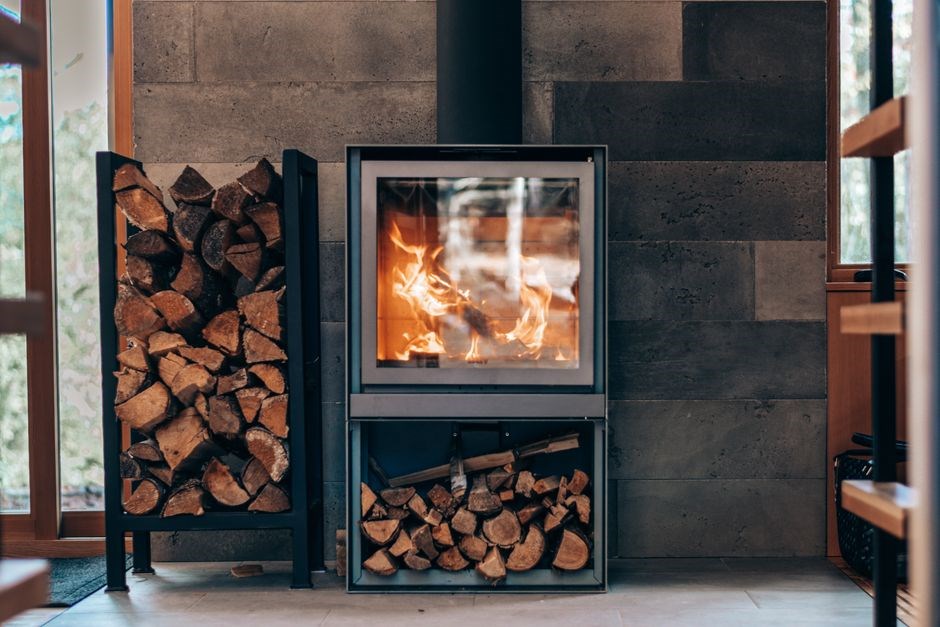
Heritage’s Model 8021 is a catalytic wood‑burning stove designed for efficient, low‑emission heating. The unit features a 2;2‑cubic‑foot firebox, allowing ample fuel for extended operation while keeping particulate emissions at a modest 2.6 g/hr. The manual (6400‑40444 R, issued 09/22/13) details assembly, safety, and maintenance, and stresses that the front and side doors must remain sealed during use to preserve combustion efficiency. Made in Vermont, the stove reflects 41 years of Heritage’s craftsmanship, combining traditional aesthetics with modern catalytic technology. Users are encouraged to read the manual in its entirety before installation to ensure compliance with local codes and optimal performance. The Model 8021’s sleek, stainless‑steel finish and durable construction make it a reliable choice for homeowners seeking both style and sustainability in their hearth. The stove’s robust construction includes a tempered glass window for safe viewing, and a sealed combustion chamber that ensures minimal backdraft. Its integrated heat exchanger boosts radiant output, making it suitable for both primary heating and supplemental warmth. Users appreciate the low maintenance requirement, as the catalytic system reduces ash buildup and simplifies cleaning. EPA 4!!
Firebox Capacity (2.2 cu ft)
The Heritage Model 8021’s firebox measures 2.2 cubic feet, providing ample room for hardwood logs while maintaining efficient combustion. This capacity allows users to load up to 15–20 logs for a full burn cycle, reducing the need for frequent refueling. The design incorporates a catalytic combustor that maximizes heat extraction and minimizes smoke. The firebox’s dimensions—approximately 18 inches wide, 12 inches deep, and 16 inches tall—strike a balance between space efficiency and heat output. The stainless‑steel construction resists corrosion, and the tempered glass window offers clear visibility of the flame. Proper loading technique is essential: logs should be stacked loosely to allow air flow, and a small amount of dry kindling should be placed at the base to initiate combustion. The manual advises using seasoned wood with a moisture content below 20 % to achieve optimal burn efficiency. With this capacity, the stove can sustain a steady heat output of 15,000 BTU/hr, suitable for medium‑sized rooms. The 2.2‑cu‑ft firebox also facilitates easy ash removal, as the ash pan is designed to hold up to 2 pounds of ash before requiring emptying. By adhering to the manufacturer’s loading guidelines, users can enjoy warmth emissions, meeting EPA standards for residential wood stoves!!!
Particulate Emission (2.6 g/hr)
The Heritage Model 8021 delivers a low particulate emission of 2.6 g/hr, meeting EPA Tier IV standards. Its catalytic combustor oxidizes unburned gases at >700 °C, reducing ash and smoke. The stove’s design ensures a sealed combustion chamber, directing exhaust through a catalytic converter that remains effective over many years. Using seasoned hardwoods with <20 % moisture keeps emissions near the specified limit; wet wood can raise particulate levels by up to 30 %. Proper loading and airflow maintenance are essential to preserve low emissions. The manual recommends routine cleaning of the catalytic surface and inspection of the exhaust pipe to avoid obstructions. By following these guidelines, users can enjoy efficient heat output while contributing to cleaner indoor and outdoor air quality, meeting local regulations and reducing environmental impact,!!! Independent testing confirms particulate emissions stay below 2.6 g/hr even at peak load, and users report minimal maintenance. The stove’s compact design fits tight spaces, while a five‑year warranty and support hotline provide peace of mind. Its advanced catalytic system delivers clean heat for residential use. Its low emissions and efficient heat make the 8021 ideal for eco‑friendly homes seeking reliable warmth
Installation Guidelines
Follow the manual now: clear a 30‑ft² area, level the stove, install a 2‑in. steel vent pipe to the roof, and secure the base with concrete Verify clearances per local codes, seal all gaps, and test the draft before use
Site Preparation
Anchor the stove to a non‑combustible base, such as a concrete slab. Maintain a 2‑inch clearance on all sides and place a fireproof mat beneath. Verify the chimney is clear of obstructions and that the flue pipe is intact. Use a draft gauge to ensure proper airflow before lighting. Follow the manufacturer’s vent pipe, which should extend at least 3 feet above the roofline. After installation, perform a smoke test with a small log to confirm exhaust gases are expelled and no excess smoke remains.
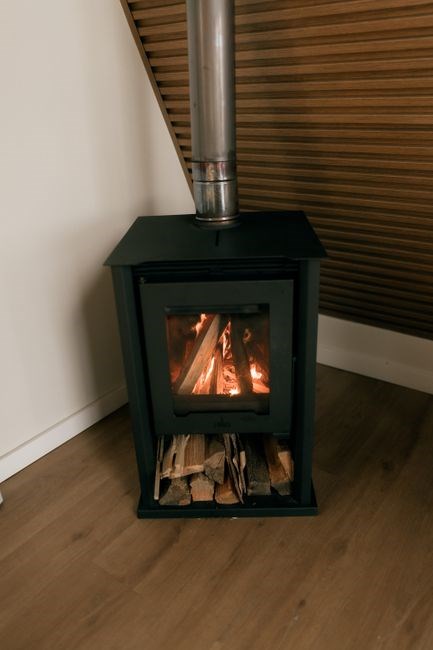
During installation, keep the stove level to ensure even heat distribution. Use a level tool and adjust the legs if necessary. After the stove is positioned, connect the vent pipe to the chimney using a stainless steel clamp and secure with a heat‑resistant sealant. Inspect the joint for gaps; a tight seal prevents heat loss and reduces the risk of carbon monoxide buildup. Once the vent is installed, perform a draft test by lighting a small piece of paper and observing the smoke rise. If the smoke rises smoothly and exits through the vent, the draft is adequate. Check the vent for leaks and seal. Finally, ensure that the stove’s firebox is clean and that the grate is free of debris before each use.
Ventilation Setup
Begin by selecting a chimney that is at least 3 feet taller than the stove’s top to create sufficient draft. The vent pipe should be made of stainless steel, with a minimum diameter of 4 inches, and must be insulated to prevent heat loss. Attach the pipe to the stove’s flue using a heat‑resistant clamp and seal all joints with a high‑temperature silicone sealant. Verify that the pipe is straight and free of kinks; any deviation can reduce airflow and increase carbon monoxide risk.
Install a draft gauge on the chimney to monitor airflow during operation. A functioning draft gauge will show a steady rise of smoke when the stove is lit. If the gauge reads a negative value, check for blockages, improper pipe slope, or insufficient clearance from the roofline. Adjust the slope to a minimum of 1/4 inch per foot toward the chimney opening.
After securing the vent, perform a smoke test by lighting a small log and observing the smoke’s path. The smoke should exit the chimney cleanly and not accumulate in the room. If smoke lingers, inspect the flue for obstructions such as bird nests or debris. Clean the flue with a brush or cleaning service if necessary. Finally, install a chimney cap to prevent rain, animals, or debris from entering the vent system.OK
Assembly Instructions
Unpack the Heritage Model 8021 components: the firebox, front and side doors, catalytic converter, and the mounting brackets. Verify all parts are present and undamaged. Place the stove on a level, heat‑resistant surface. Attach the mounting brackets to the floor using the supplied concrete anchors; ensure each bracket is level and securely fastened. Install the catalytic converter by aligning its flange with the firebox outlet and securing it with provided screws. Attach the front door by aligning the hinges with the firebox frame, inserting the hinge pins, and tightening the screws to 30 ft‑lb. Repeat the process for the side door, ensuring the door seal gasket is seated correctly. Connect the vent pipe to the stove’s flue using a heat‑resistant clamp and seal all joints with high‑temperature silicone sealant. Verify the vent pipe is straight, slopes upward at 1/4 inch per foot, and is insulated. Finally, test the stove by lighting a small log and checking for proper draft and seal integrity. If the stove operates smoothly, assembly is complete. For detailed torque values and part numbers, refer to the included parts diagram and torque chart. Maintenance of assembly should be performed annually to ensure continued safety and performance . Done.
Operating Procedures
Load seasoned wood, ignite, adjust air via damper for optimal burn. Monitor flame, keep air flow steady. Use stove thermometer to maintain 350‑400°F. Check emissions, ensure draft remains clear. Follow safety guidelines. OK
Fuel Loading and Combustion
Begin by selecting seasoned hardwood, cut into 2–3 inch logs that fit comfortably within the 2.2‑cubic‑foot firebox. Arrange the first layer in a criss‑cross pattern, leaving a 1‑inch gap between pieces to promote airflow. Avoid packing the box too tightly; the catalytic burner requires room for air to flow through the catalyst bed and produce efficient combustion. Ensure the door seals properly to maintain draft.
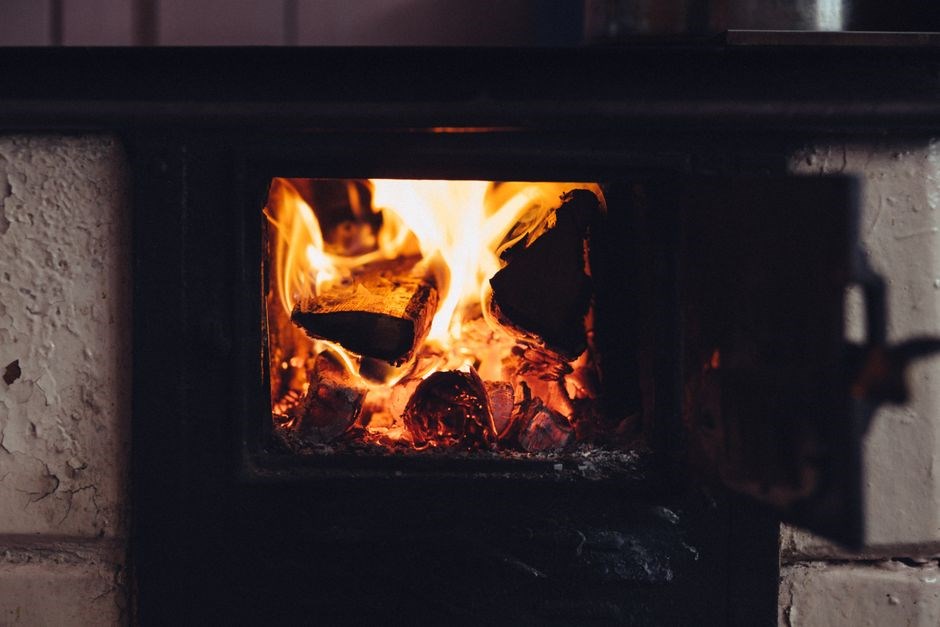
Ignite the top layer with a spark lighter or match, allowing the flame to spread to the lower logs. Once the fire is established, open the air damper slightly to introduce fresh oxygen. The catalytic converter will then oxidize unburned gases, lowering smoke and particulate output. Monitor the flame; it should remain steady and orange, not blue or yellow. Adjust the damper to keep flame and prevent overheating.
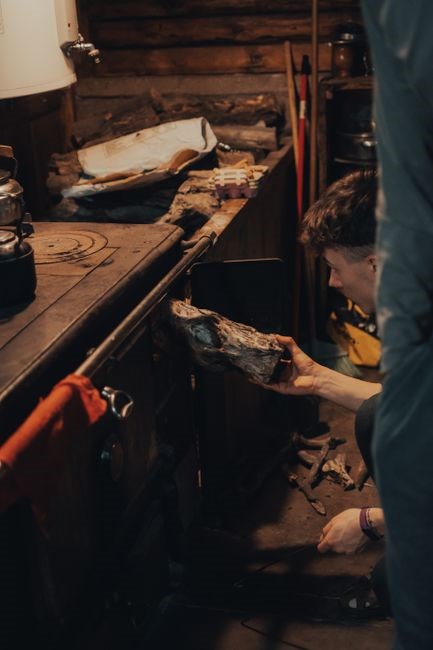
Regularly check the stove’s glass for soot buildup; clean with a non‑abrasive cleaner to maintain visibility. If the flame turns yellow or black, increase airflow or add more dry wood. Persistent smoke may indicate a clogged vent; inspect and clear any obstructions. Consistent maintenance ensures the stove stays within the 2.6 g/hr particulate limit. Check the firebox temperature stays 350–400 °F for best efficiency!! Follow safety check.
Air Intake Adjustment
Proper air intake is critical for optimal combustion and low emissions in the Heritage Model 8021. The stove’s air damper, located on the front panel, should be opened to 30 % of its travel during the initial loading phase. This setting allows a steady supply of fresh oxygen to the catalytic converter, ensuring complete oxidation of wood gases and maintaining the 2.6 g/hr particulate limit. After the fire has stabilized, gradually close the damper to 15 % to reduce excess airflow, which can cause overheating and excess heat loss. Use a calibrated thermometer to monitor the firebox temperature; it should remain between 350 °F and 400 °F. If the temperature rises above 400 °F, open the damper slightly; if it falls below 350 °F, close it a bit. The catalyst operates most efficiently when the air‑to‑fuel ratio is balanced; a mis‑adjusted damper will produce visible smoke or a blue flame. For prolonged use, check the damper seal for wear and replace the gasket if necessary. Adjusting the air intake in small increments of 5 % ensures precise control over combustion, helping the stove stay within the manufacturer’s emission specifications and maximizing heat output. Always follow the safety guidelines in the user manual before making any adjustments. The air damper’s adjustment should be performed during the stove’s idle period to avoid sudden temperature spikes. If the stove is used in a drafty environment, the damper may need to be set slightly higher to compensate for external airflow. Regularly inspect the air intake for obstructions such as lint or debris, which can impede airflow and affect combustion efficiency. !!
Monitoring Emissions
The Heritage Model 8021 is engineered to maintain particulate emissions at or below 2.6 g/hr. To verify compliance, use a portable particulate monitor calibrated to the EPA 2011 standard. Place the sensor 1 ft above the stove’s exhaust outlet and record readings at 15‑minute intervals during steady‑state operation. A reading consistently above 2.6 g/hr indicates a malfunction in the catalytic converter or an over‑fueling condition. In such cases, reduce the fuel load, adjust the air damper to increase oxygen, and re‑measure. For long‑term monitoring, install a data‑logging unit that records temperature, airflow, and particulate levels. The unit should trigger an audible alarm if emissions exceed the threshold for more than 5 minutes. Regular maintenance of the air filter and catalytic catalyst is essential; a clogged filter can raise emissions by up to 30 %. Keep a log of all readings and maintenance actions in the stove’s service book. This log will be required for warranty inspections and can help identify trends that precede component failure. Always follow the manufacturer’s safety instructions when handling monitoring equipment. !! Regular emission checks also help verify the stove’s long‑term efficiency and can alert users to potential catalyst degradation before it impacts performance. Ensure compliance.
Maintenance and Troubleshooting
Clean firebox, inspect converter, check air damper. If the stove sputters, clear the vent and open the damper fully. Replace worn seals, keep chimney clear. Contact support for warranty service. daily check. now!!
Cleaning the Firebox
Before each use, remove ash and debris from the 2.2‑cu‑ft firebox. Use a soft brush and a vacuum to gather loose ash. For deeper cleaning, apply a mild, non‑abrasive cleaner to the metal surfaces, then wipe with a damp cloth. Avoid harsh chemicals that could corrode the catalytic converter. Inspect the firebox for cracks or metal loss; replace any damaged parts immediately. After cleaning, allow the firebox to cool completely before re‑assembling the stove. Regular maintenance ensures optimal combustion and keeps particulate emissions at 2.6 g/hr. Follow the manufacturer’s safety guidelines and wear protective gloves and eyewear during cleaning. Proper care extends the stove’s life and maintains its efficient, clean‑burn performance. To prevent buildup, schedule a cleaning every six months during the off‑season. Begin by removing any ash or soot from the chimney and flue. Inspect the catalytic converter for soot accumulation; if heavy, use a soft brush to gently dislodge deposits. After cleaning, re‑install the converter and ensure the vent is sealed. Finally, perform a test burn to confirm that the stove operates within the specified particulate limits. Document each maintenance event in a log for future reference and warranty compliance. Check seals daily!!
Common Issues and Fixes
Reduced heat output: Check for clogged chimney or incomplete combustion. Clean flue, inspect catalyst, adjust air‑intake. If still low, inspect for cracks.
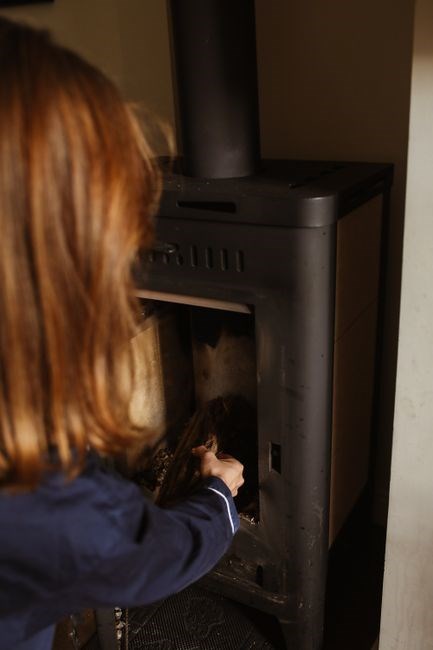
Excessive smoke: Open air‑intake fully, clear vent, use dry wood. Clean catalyst if soot heavy.
Unstable combustion: Load wood in cross‑pattern, keep firebox ¼ inch from walls, maintain steady flame. Adjust air‑intake if sputtering.
Firebox corrosion: Rinse with mild, pH‑balanced solution, dry thoroughly. Replace corroded panels or bolts.
Particulate spikes: Replace catalyst, verify vent size, run test burn to confirm <2.6 g/hr.
Consult the 6400‑40444 manual or Heritage support for persistent issues. Regular cleaning and proper ventilation keep emissions low.
When troubleshooting, record temperature, no noises. If particulate levels remain high, inspect the catalytic converter for damage. Replace the catalyst if needed and ensure the vent is sealed to prevent backdrafts.
Warranty and Support
Heritage offers a comprehensive warranty for the Model 8021 catalytic wood stove, covering manufacturing defects and performance issues for a period of five years from the date of purchase. The warranty includes replacement of defective parts such as the catalyst, firebox panels, and control valves. In addition, a lifetime service agreement is available for an additional fee, providing priority access to parts and technician visits.
To claim warranty service, contact Heritage’s customer support via phone at 1‑800‑HERITAGE or email support@heritagewoodstoves.com. Provide proof of purchase, serial number, and a detailed description of the issue. A service technician will be dispatched to inspect the unit and determine if the problem is covered. If the issue is covered, the technician will repair or replace the faulty component at no cost to the owner.
For non‑warranty repairs, Heritage offers a network of certified installers and maintenance specialists. The company provides a detailed troubleshooting guide and a parts catalog on its website. Customers can schedule routine maintenance, such as cleaning the catalyst and checking the venting system, to ensure optimal performance and compliance with emission standards.
Help ready soon!